
If you've ever switched tattoo machines and noticed that your usual voltage suddenly doesn't feel right, you're not alone.
One of the most common questions tattoo artists ask is: What voltage should I run my tattoo machine at?
The truth is, there is no single voltage that works for every machine or artist. Your ideal setting depends on your machine, stroke length, needle configuration, hand speed, and tattooing technique.
This guide will help you understand how voltage works and how to find the right setup for your style.
What Does Voltage Do on a Tattoo Machine?
Voltage controls the electrical power going to the machine's motor. In general, increasing voltage can make the motor run faster, while lowering it can produce a slower, softer response.
But voltage doesn't work alone. The way a machine feels also depends on:
- Motor design
- Stroke length
- Needle configuration
- Hand speed
- Needle depth
- Tattooing technique
That's why copying another artist's voltage settings doesn't always work.
Tattoo Machine Voltage for Lining
Lining requires consistent needle movement and enough power to create clean, controlled lines.
Your ideal voltage depends on your machine, stroke, needle grouping, and hand speed.
When lining, focus on:
- Consistent needle movement
- Clean lines
- Stable ink flow
- Comfortable machine response
If the machine feels sluggish, you may need to increase the voltage slightly. If it feels too aggressive, lowering the voltage may give you more control.
Tattoo Machine Voltage for Shading
Shading usually requires a smoother and softer machine response than lining.
Many artists prefer a lower or moderate setting for shading, depending on their machine and technique.
Pay attention to:
- Hand speed
- Needle grouping
- Stroke length
- Machine response
- Skin response
The goal is smooth, controlled movement rather than simply using the lowest possible voltage.
Tattoo Machine Voltage for Color Packing
Color packing often requires a stronger and more consistent machine response, especially with larger needle groupings.
Your setup may need a different voltage depending on:
- Magnum size
- Stroke length
- Motor performance
- Hand speed
Don't assume that higher voltage is always better. The goal is efficient saturation without unnecessary passes over the same area.
How Stroke Length Affects Voltage
Stroke length and voltage work together.
A shorter stroke generally produces a softer, more controlled feel, while a longer stroke can provide a stronger hit.
For example:
| Stroke | Common Uses |
|---|---|
| Short | Fine line, soft shading |
| Medium | Lining, shading, all-around work |
| Long | Bold lining, color packing, traditional |
For a deeper explanation, check out our guide:
How to Choose the Right Tattoo Machine Stroke
Typical Tattoo Machine Voltage Ranges
There is no universal voltage chart for every machine. These should be treated only as general starting points.
| Technique | Typical Starting Range* |
| Fine Line | Lower range |
| Lining | Low to medium |
| Shading | Lower to medium |
| Color Packing | Medium range |
*Actual settings vary by machine, motor, stroke, needle configuration, and artist technique. Always follow the manufacturer's recommended operating range.
How to Find Your Ideal Voltage
Instead of copying another artist's settings, use a simple process:
1. Start With the Manufacturer's Recommendations
Use the recommended operating range for your machine as your starting point.
2. Choose Your Needle
Use the cartridge configuration you normally use for the technique you're practicing.
3. Adjust Gradually
Make small voltage changes rather than large jumps.
4. Watch Your Hand Speed
Your machine should work with your natural hand speed, not fight against it.
5. Evaluate the Result
Look for clean lines, smooth shading, consistent ink flow, and stable needle movement.
Over time, you'll develop voltage settings that feel natural for your machine and style.
Common Tattoo Machine Voltage Mistakes
Copying Another Artist's Voltage
A setting that works on one machine may not work on another.
Assuming Higher Voltage Means Better Performance
More voltage isn't automatically better. Machine design, stroke, and technique all matter.
Ignoring Stroke Length
Changing stroke length can significantly change how a machine feels, even at the same voltage.
Changing Everything at Once
Change one setting at a time so you can understand what actually improves your results.
Wireless Tattoo Machines and Voltage
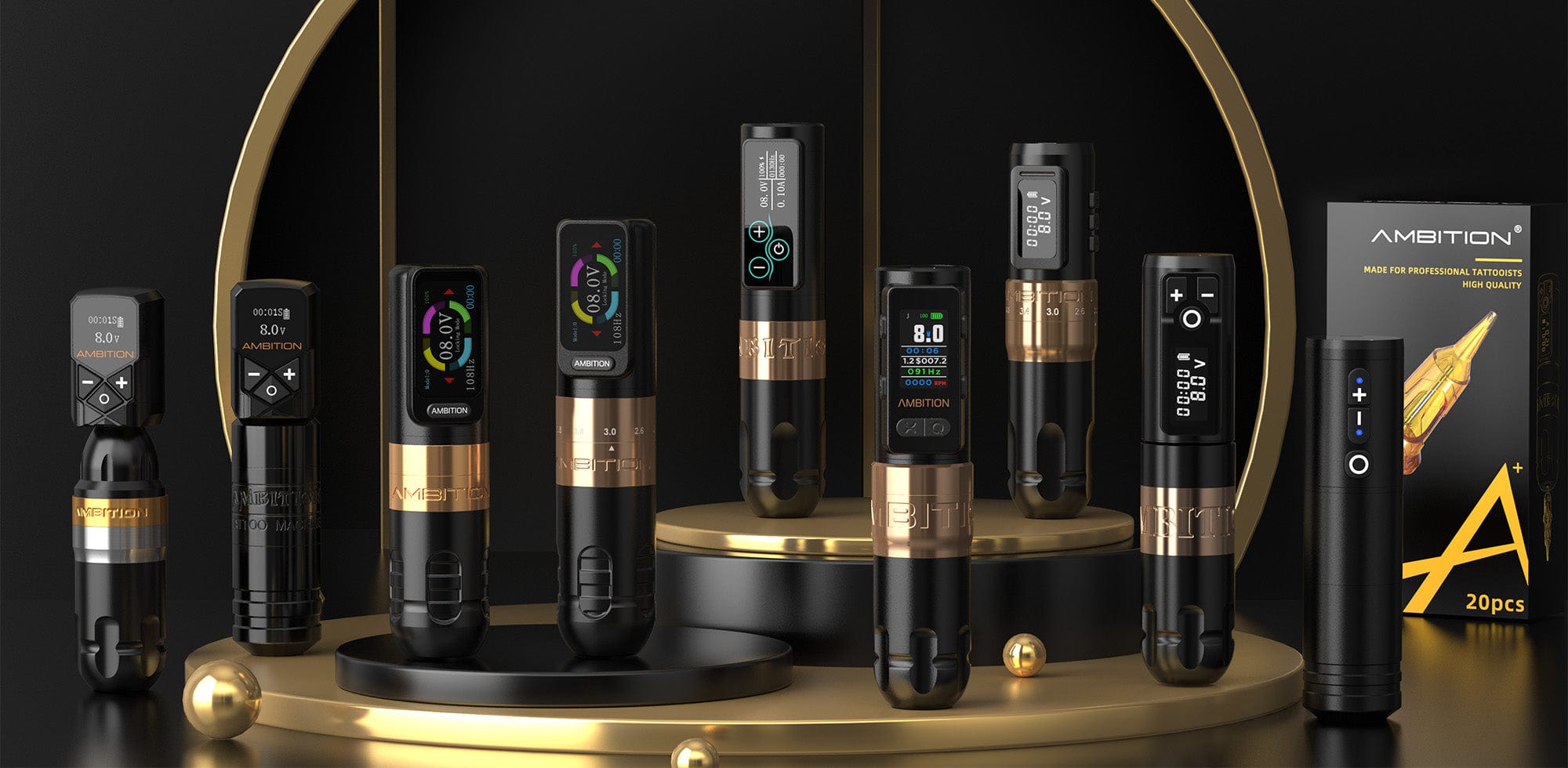
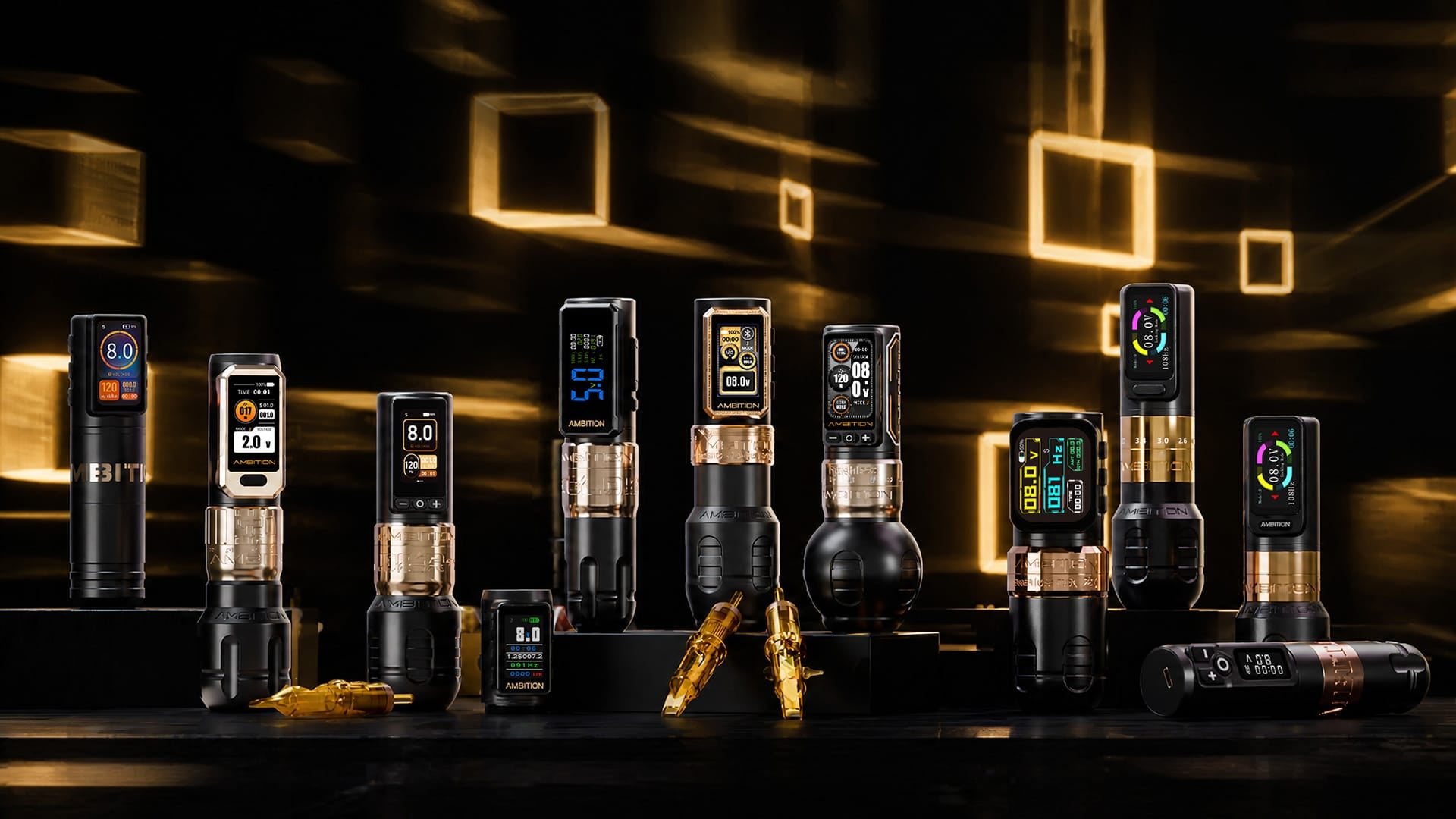
Modern wireless tattoo machines make voltage adjustment quick and convenient. Many wireless pen machines feature built-in digital displays, allowing artists to monitor and adjust voltage directly from the machine.
However, the basic principle remains the same:
The right voltage is the setting that works best with your machine, needle, hand speed, and technique.
Frequently Asked Questions
What voltage should I use for tattoo lining?
There is no universal setting. Start within your machine's recommended range and adjust based on needle configuration, stroke length, and hand speed.
What voltage is best for tattoo shading?
Many artists use a lower or moderate setting for shading, but the ideal voltage depends on the machine and technique.
Does stroke length affect tattoo machine voltage?
Yes. Stroke length changes the way the machine delivers the needle hit, so voltage and stroke should be considered together.
Can I use the same voltage on different tattoo machines?
Not necessarily. Different motors, strokes, and mechanical designs can perform differently at the same voltage.
Should beginners use a lower voltage?
Beginners should follow the manufacturer's recommended range and focus on developing proper technique rather than simply choosing the lowest setting.
Final Thoughts
Finding the right tattoo machine voltage isn't about memorizing one magic number.
It's about finding the right balance between voltage, stroke length, needle configuration, hand speed, and technique.
Start with your machine's recommended settings, make small adjustments, and let your results guide you. With experience, you'll develop a setup that feels natural and consistent for your style.